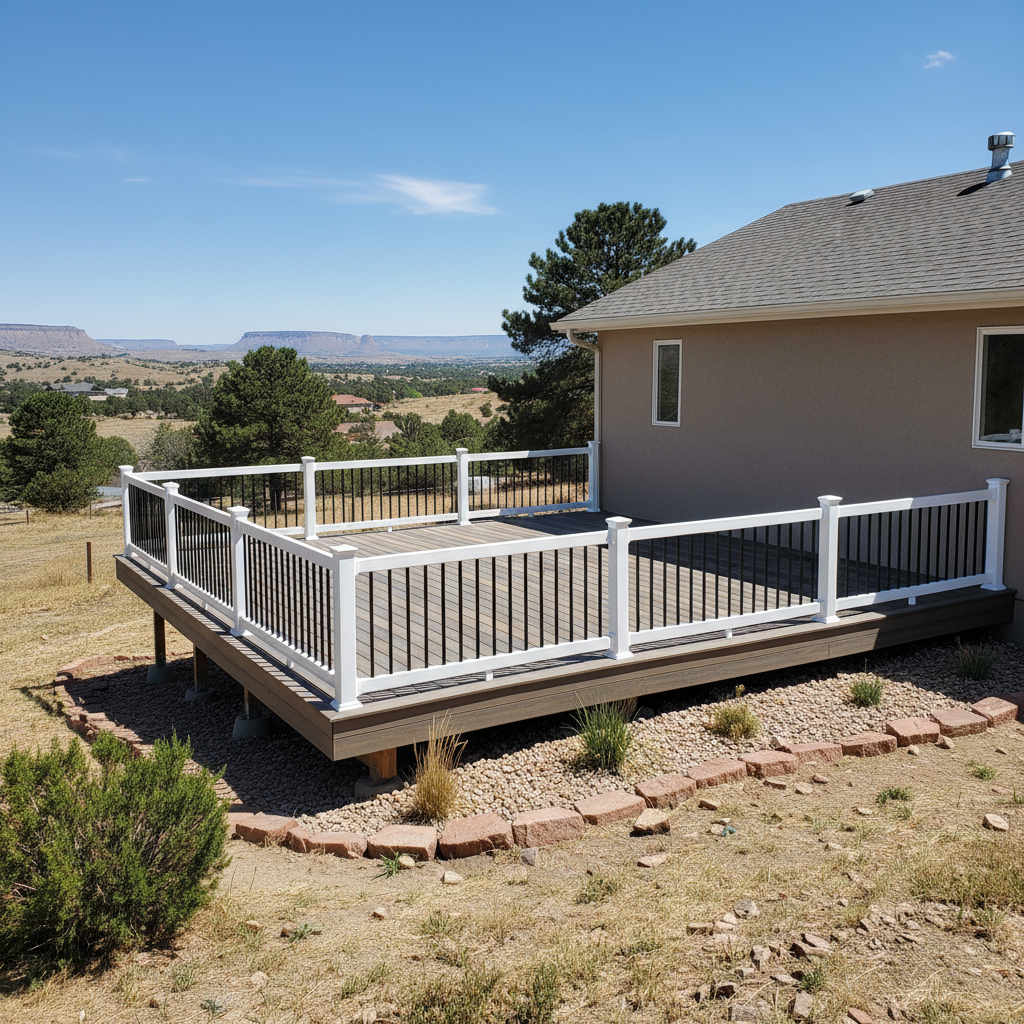
You're probably wondering what a new composite deck is really going to set you back here in Pueblo. It's a fair question, and honestly, it's not a simple one-size-fits-all answer. But I can give you a pretty solid breakdown of what affects the cost, what you should expect to pay, and how to make sure you're getting a good deal without cutting corners.
What Makes Composite Deck Prices Go Up?
A bunch of factors play into the final price tag. It's not just the square footage, though that's a big part of it. Think of it like building a custom home – every choice you make changes the bottom line, doesn't it?
- Deck Size and Shape: This is the most obvious one. A bigger deck means more materials and more labor. A complex shape with lots of angles, curves, or multiple levels will cost more per square foot than a simple rectangle. All those extra cuts and framing details take time.
- Deck Height and Foundation: Building a deck close to the ground is usually cheaper. If your deck needs to be elevated, say, more than a couple of feet off the ground, you'll need more robust footings and framing. We might even need concrete piers to handle our Pueblo soils, which can be tricky with expansive clays in some areas. Taller decks often require more complex stair systems and railings too.
- Material Grade and Brand: Composite decking isn't all the same, not by a long shot. You've got your entry-level options, mid-range boards, and premium lines that really mimic exotic hardwoods. Brands like Trex, TimberTech, and Fiberon all have different price points and features, like enhanced scratch resistance or fade protection. The capstock (that's the outer layer) on some boards is thicker and more durable. It costs more upfront, sure, but it can save you headaches later.
- Railing Selection: This is a big one that people often overlook. Basic composite railings are one thing, but if you want aluminum balusters, glass panels, or custom metalwork, the cost jumps significantly. Railings can easily account for 15-25% of your total deck budget.
- Additional Features: Built-in benches, planters, pergolas, custom lighting, or even an outdoor kitchen setup will all add to the price. These are often where you can personalize your space, but they're also where costs can really climb.
- Site Access and Prep: If we have trouble getting equipment or materials to your backyard, or if there's a lot of old concrete or landscaping that needs to be removed first, that's going to add to the labor cost.
Typical Price Ranges in Pueblo
Alright, let's talk numbers. For a standard, ground-level or low-elevation composite deck in Pueblo, you're generally looking at a range. Keep in mind, these are averages and can vary based on the specifics I just mentioned.
- Basic Composite Deck (Entry-Level Materials): For a simple, rectangular deck with basic composite railing, you're probably looking at $45 - $65 per square foot. This would use a good quality, but not premium, composite board.
- Mid-Range Composite Deck (Popular Brands, Standard Features): If you want a bit more design flexibility, a slightly better-grade composite, and maybe some aluminum balusters in your railing, expect to pay around $65 - $85 per square foot. This is where most homeowners land, actually.
- Premium Composite Deck (High-End Materials, Custom Features): For multi-level designs, top-tier composite boards, custom railings (like glass or cable), built-in lighting, or other custom elements, the price can easily go from $85 to $120+ per square foot.
So, for a 200 sq ft deck, you could be looking at anywhere from $9,000 to $24,000+. A 400 sq ft deck might run you $18,000 to $48,000+. See how quickly it adds up? It really depends on your choices.
What Should a Quote Include?
When you get a quote from a reputable builder like Skyline Decks Pueblo, it shouldn't just be a single number. You need to see a detailed breakdown. Here's what I always make sure to include:
- Detailed Scope of Work: Exactly what we're building, its dimensions, and a description of the design.
- Material Specifications: The specific brand and line of composite decking, the type of railing, fasteners, and any other primary materials.
- Labor Costs: Clearly outlined, though often bundled with materials in a per-square-foot price.
- Permit Fees: Who's responsible for pulling the necessary permits from the City of Pueblo or Pueblo County, and if the cost is included.
- Foundation Details: What type of footings we'll use (e.g., concrete piers, pre-cast blocks).
- Demolition and Debris Removal: If an old deck needs to be torn down, this should be itemized.
- Warranty Information: Both for the materials and the craftsmanship.
- Payment Schedule: How payments will be structured throughout the project.
How to Avoid Overpaying
Nobody wants to feel like they've been ripped off. Here's how you can be smart about your investment:
- Get Multiple Quotes: Don't just go with the first guy. Get at least three detailed quotes from different, reputable builders. This helps you compare apples to apples and understand the market rate.
- Be Specific About What You Want: The more vague you are, the more room there is for misinterpretation and unexpected costs. Know your desired size, general layout, and material preferences before you even start getting quotes.
- Understand the Materials: Do a little homework on composite decking brands and grades. Know the difference between a capped composite and a non-capped one, and what warranties they offer.
- Ask About Hidden Costs: Specifically ask if the quote includes permits, demolition, debris removal, and final site cleanup.
- Don't Automatically Choose the Lowest Bid: The cheapest option isn't always the best. Sometimes a slightly higher bid means better materials, a more experienced crew, or a stronger warranty. Look for value, not just the lowest price.
- Check References and Reviews: A good contractor will have plenty of happy customers. Ask for references and check online reviews.
A new composite deck is a significant investment, but it's one that can add a ton of value and enjoyment to your Pueblo home. By doing your homework and understanding what goes into the pricing, you can make an informed decision and get a deck you'll love for years to come.