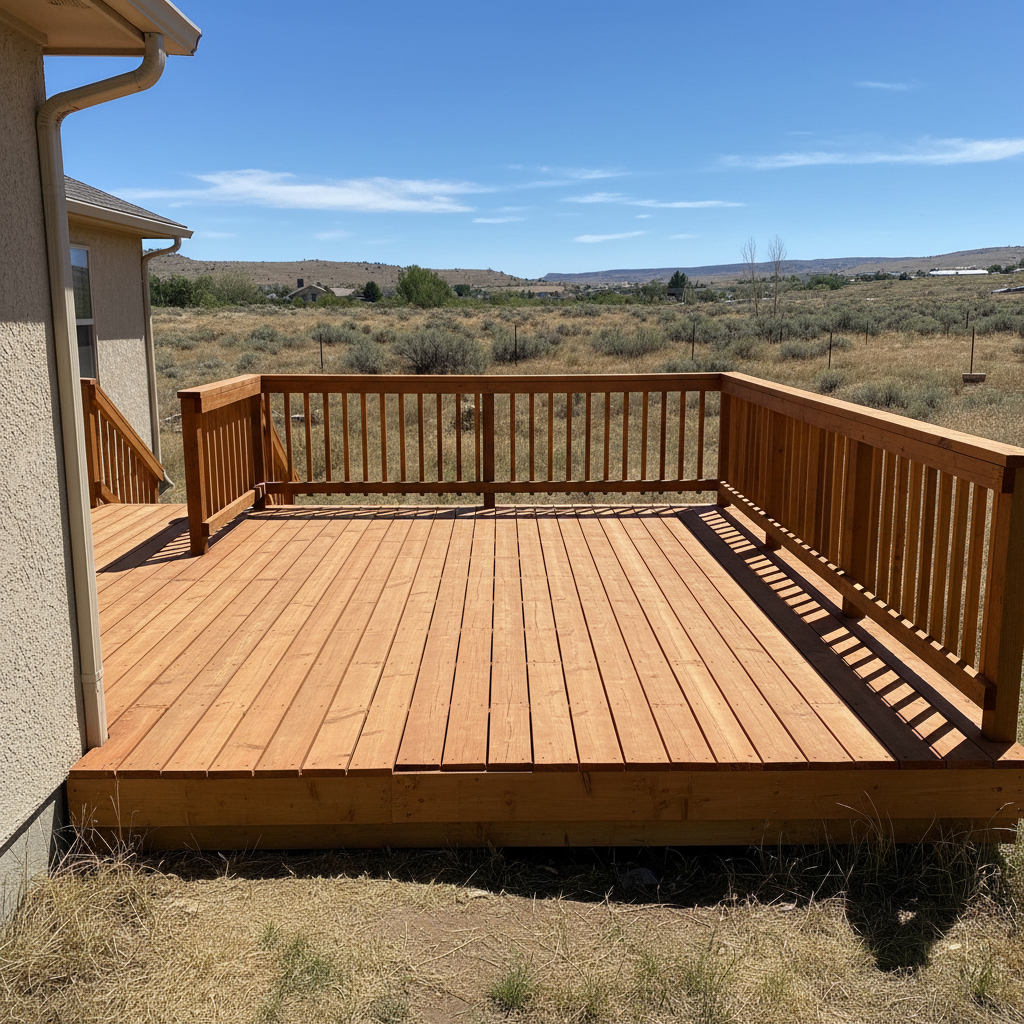
Your Deck's Lifespan: It's All About Maintenance
You shelled out good money for your deck, whether it was a brand-new build or a big repair job. The truth is, that investment won't just take care of itself, especially not here in Pueblo. Our intense sun, dry air, and those sudden temperature swings can really beat up outdoor structures. You want your deck to last, right? Well, getting more years out of it really boils down to a few key habits.
First off, think about what your deck's made of. If it's wood, regular cleaning and re-sealing or staining aren't just suggestions; they're essential. That protective layer isn't only for looks; it's your deck's main defense against UV rays and moisture. For composite decks, things are a bit easier, but you still can't just ignore it. Keeping it clean stops mold and mildew from building up, which can wear down the surface over time and make it slippery.
Another thing I always tell folks: good drainage around your deck is huge. Water pooling near posts or under the deck can lead to rot and foundation issues quicker than you'd imagine. Make sure your gutters are clean and push water away from the deck's edge. If you've got a deck that's low to the ground, especially in areas with heavier clay soil like some parts of Pueblo West, proper ventilation underneath is super important to prevent moisture from getting trapped.
What Regular Maintenance Looks Like
Okay, so what should you actually be doing? It's not brain surgery, but it does need a little consistency. Here's my quick rundown:
- Annual Inspection: Once a year, ideally in the spring after the last snow melts, walk your deck. Really give it a good look. Check the railings, the stairs, the deck boards, and especially that ledger board where it connects to your house. Look for loose fasteners, wobbly posts, or any signs of rot.
- Clean It Up: A good scrub once or twice a year makes a huge difference. For wood, a gentle pressure wash with a deck cleaner (read those directions!) can get rid of dirt, grime, and mildew. For composite, soap and water or a cleaner recommended by the manufacturer usually does the trick. Just don't go too crazy with high pressure on composite; you might damage the surface.
- Re-seal or Re-stain Wood Decks: This is probably the most crucial step for wood. Depending on the product you use and how much sun your deck gets, you'll need to put on a new coat of sealer or stain every one to three years. If water doesn't bead up on the surface anymore, it's definitely time.
- Clear Debris: Keep leaves, dirt, and other gunk from piling up on and between your deck boards. This stuff traps moisture and can cause rot, especially in those tight spots.
- Check Fasteners: Screws and nails can work their way out over time because of temperature changes and foot traffic. Tap down any nails sticking up or tighten screws. Replace any hardware that's rusted.
Warning Signs You Shouldn't Ignore
Your deck will usually give you clues when something's wrong. You just have to know what to look for. Ignoring these can turn a small fix into a major, expensive repair, and who wants that?
- Soft Spots or Spongy Boards: If a board feels soft or bouncy when you step on it, that's a big red flag for rot. Don't put off investigating this.
- Cracked or Splintered Wood: A few small cracks are normal, sure, but large, deep cracks or lots of splintering mean the wood is drying out and breaking down. This can also be a safety hazard for bare feet.
- Wobbly Railings or Posts: Grab a railing and give it a good shake. If it moves more than an inch or two, it's not secure. This is a serious safety concern, no kidding.
- Loose or Missing Fasteners: If you see screws or nails popping up, or if they're completely gone, it means the structural integrity is compromised.
- Discoloration or Fungus: Dark spots, green patches, or fuzzy growth could point to mold, mildew, or even wood rot.
- Deck Pulling Away from the House: This is a big one. If you see any gap forming between your deck and your house, especially at the ledger board, call a pro immediately. This indicates a structural failure.
- Rusting Hardware: Rusted bolts, screws, or connectors mean they're getting weaker and won't hold as well.
When to Call a Professional
Look, I'm all for doing things yourself, but there are times when you really need to bring in someone who knows their stuff. If you see any of those serious warning signs like the deck pulling away from the house, significant rot in structural members (posts, beams, joists), or major railing instability, don't try to jury-rig a fix. Your family's safety is on that deck, after all.
You should also call a pro if you're just not sure what you're looking at. Sometimes a small issue can hide a bigger problem underneath, you know? A professional can properly assess your deck's condition, identify hidden damage, and recommend the right course of action. We've seen it all at Skyline Decks Pueblo, from minor board replacements to full structural overhauls, and we can tell you what's a quick fix and what needs more serious attention. Getting an expert opinion early can save you a lot of grief and money down the line.
Even for routine maintenance, if you don't have the time, tools, or confidence to do it right, hiring someone to clean and re-seal your deck annually is a smart investment. It keeps your deck looking great and prevents those bigger problems from ever starting. Don't wait until it's falling apart to think about maintenance; a little proactive care goes a long, long way.