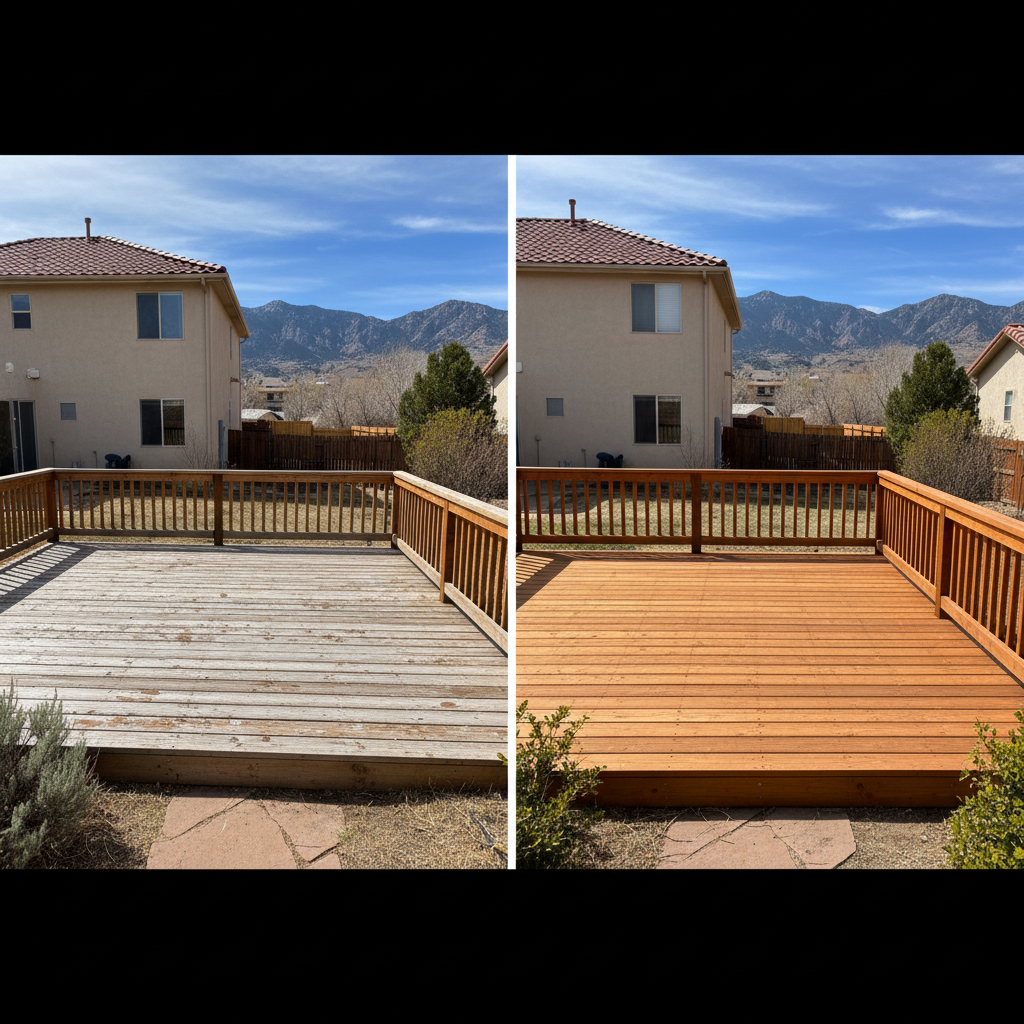
You're thinking about a new wood deck, that's great. But then you start looking at lumber options, and it gets confusing fast. Two of the most common choices for wood decks are pressure-treated lumber and cedar. Both have their place, but they're definitely not the same. I've built plenty of decks with both here in Pueblo, and I can tell you what I've seen firsthand.
Pressure-Treated Lumber: The Workhorse
Pressure-treated wood is probably what most people think of when they hear "wood deck." It's usually pine or fir that's been chemically treated to resist rot, fungal decay, and insect infestation. This treatment makes it really durable, especially when it's in contact with the ground or exposed to constant moisture.
Cost: This is where pressure-treated really shines. It's almost always the most budget-friendly option upfront. If you're trying to keep costs down on a larger deck project, pressure-treated lumber will save you a good chunk of change compared to cedar or even composite materials. That's a big deal for a lot of folks, especially when you're looking at a substantial investment like a new deck.
Durability: It's tough. The chemicals really do their job, making it stand up well to the elements. Here in Pueblo, we get those intense summer sun rays and then the dry, cold winters. Pressure-treated wood can handle those swings pretty well without rotting out. It's not uncommon to see pressure-treated decks last 20-30 years if they're properly maintained.
Maintenance: This is where you need to pay attention. Pressure-treated wood needs regular sealing or staining. You'll want to do this every 1-3 years, depending on the product you use and how much sun exposure your deck gets. If you skip this, it'll start to gray out, splinter, and can eventually crack. It's not high-maintenance like some exotic woods, but it's not maintenance-free either. You'll also need to keep an eye out for fasteners loosening over time as the wood expands and contracts.
Appearance: Fresh pressure-treated lumber often has a greenish tint from the treatment chemicals. This fades over time to a grayish-brown if you don't stain it. It's not the most aesthetically pleasing wood right off the bat, and it doesn't have a distinct grain pattern like cedar. It's more about function than fancy looks.
Cedar: The Natural Beauty
Cedar, particularly Western Red Cedar, is a premium choice for wood decks. It's naturally resistant to rot, decay, and insects because of oils present in the wood. You don't need to treat it with chemicals like pressure-treated lumber, which some people prefer.
Cost: Cedar is going to cost you more upfront, usually significantly more than pressure-treated lumber. Sometimes it can be double the price for the material alone. If you're building a smaller, more intricate deck, the cost difference might be easier to swallow, but for a big, sprawling deck, it adds up fast.
Durability: It's naturally durable, but not in the same way as chemically treated wood. Cedar is a softer wood than many species, so it can be more prone to dents and scratches. However, its natural oils do a fantastic job of fending off bugs and rot. It holds up well to our dry climate here in Pueblo, but you'll want to make sure it's properly installed and maintained to prevent surface weathering.
Maintenance: Like pressure-treated wood, cedar needs maintenance to keep its good looks. If you don't seal or stain it, it will weather to a beautiful silvery-gray patina. Some people love this look, but if you want to maintain its rich, reddish-brown color, you'll need to apply a UV-protective sealer or stain every 1-2 years. It's a bit more forgiving if you miss a year compared to pressure-treated, but consistent care is still key.
Appearance: This is cedar's biggest selling point. It has a beautiful, rich reddish-brown color and a distinct, attractive grain pattern. It smells great too! If you're going for a natural, high-end look, cedar is hard to beat. It just has a warmth and character that pressure-treated wood can't match.
So, Which One for Your Pueblo Deck?
Here's the deal: for most homeowners in Pueblo, especially if you're on a budget or building a large, functional deck, pressure-treated lumber is usually the smarter choice.
Why? Because of our specific conditions. We don't typically have the extreme humidity and constant ground contact issues that might make cedar's natural resistance a huge advantage over treated wood. Our dry climate, while tough on wood if not sealed, means that the chemical treatment in pressure-treated lumber is more than sufficient to prevent decay. Plus, the cost savings are significant, and you can always stain pressure-treated wood to a color you like, even if it doesn't have cedar's natural beauty.
Now, if you're building a smaller, more visible deck, maybe a front porch deck, or you really prioritize that natural, premium aesthetic and have the budget for it, then cedar is a wonderful option. It looks fantastic, and if you're diligent with maintenance, it'll stay beautiful for years. Just be aware of the higher initial cost and the need for consistent sealing.
At Skyline Decks Pueblo, we build with both, and we're happy to talk through your specific project. What works best for your neighbor in the Belmont neighborhood might not be the right fit for your backyard down by the river. It really comes down to your budget, your aesthetic preferences, and how much time you're willing to put into maintenance.